



Contents
- 1 1. Define Your Product Characteristics & Packaging Format
- 2 2. Match Machine Speed (BPM) to Your Daily Target
- 3 3. Evaluate Film Material & Sealing Compatibility
- 4 4. Inspect Component Quality (The “Under the Hood” Test)
- 5 5. Verify Factory Support & Spare Part Availability
- 6 Conclusion: Get Your Production Line Engineered Right
1. Define Your Product Characteristics & Packaging Format
Before looking at machine models, analyze the exact physical traits of your product:
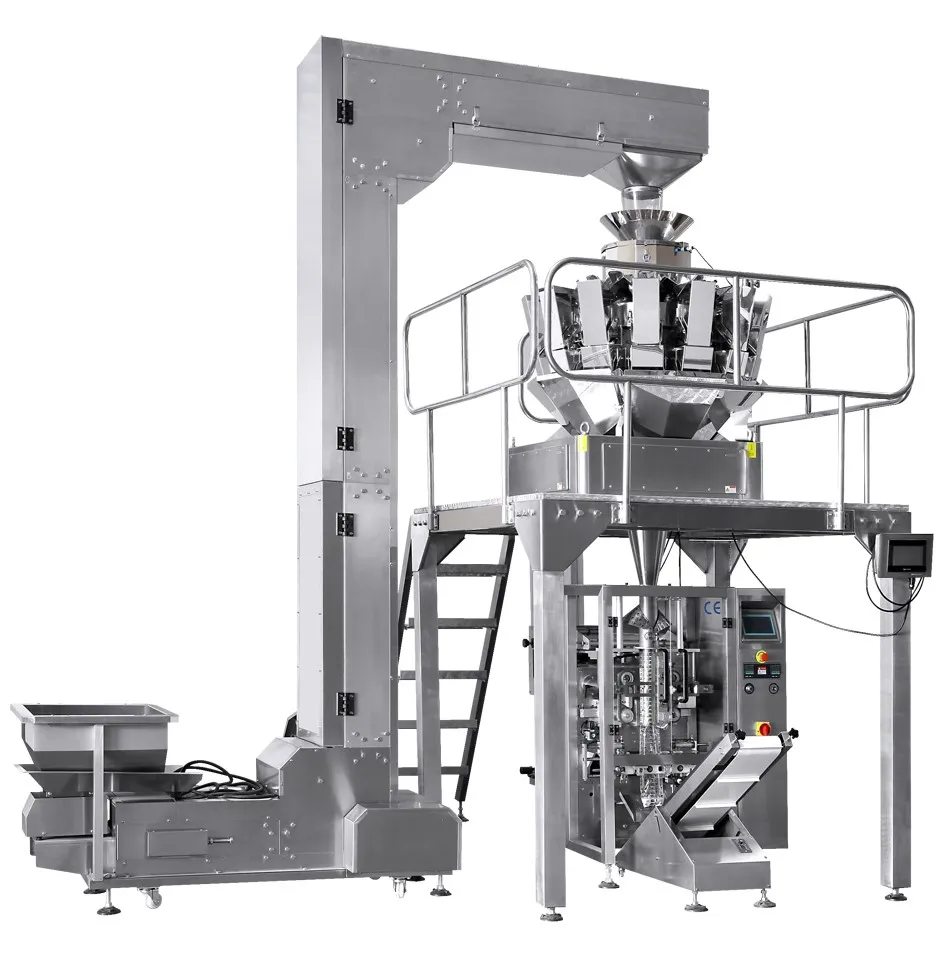
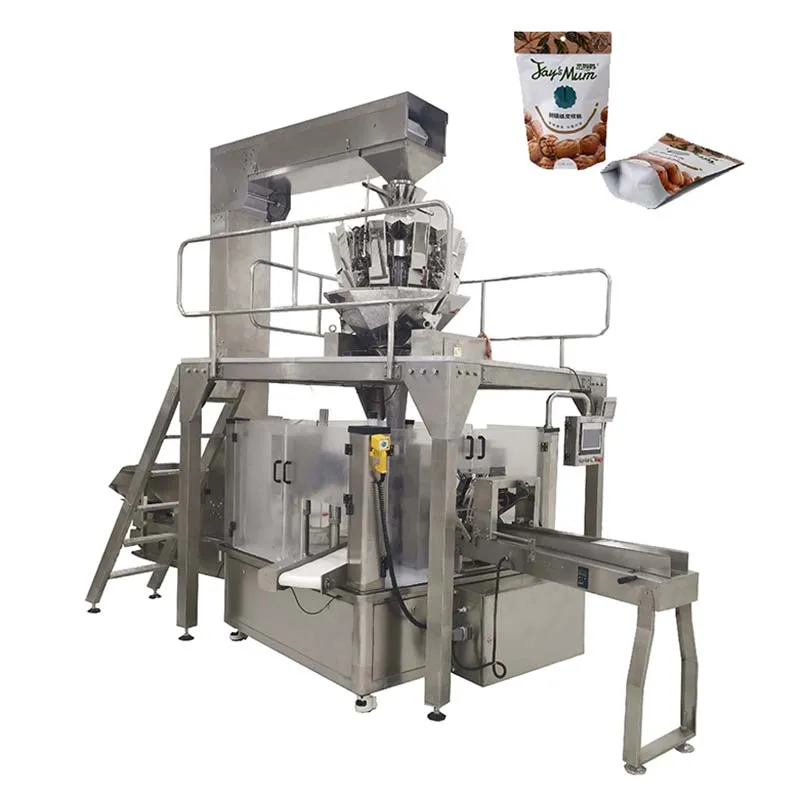
- Granules & Solids (Chips, Nuts, Pet Food): Best paired with a Vertical Form Fill Seal (VFFS) Machine integrated with a Multihead Weigher.
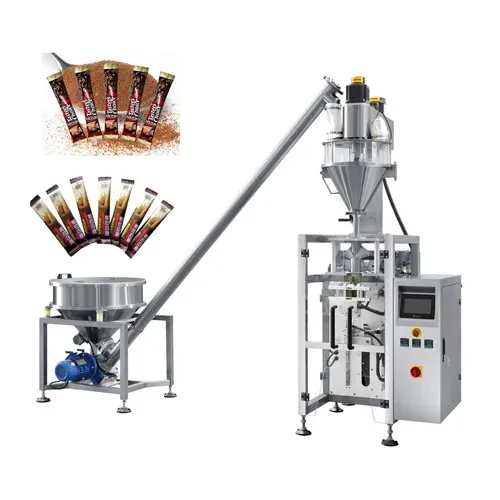
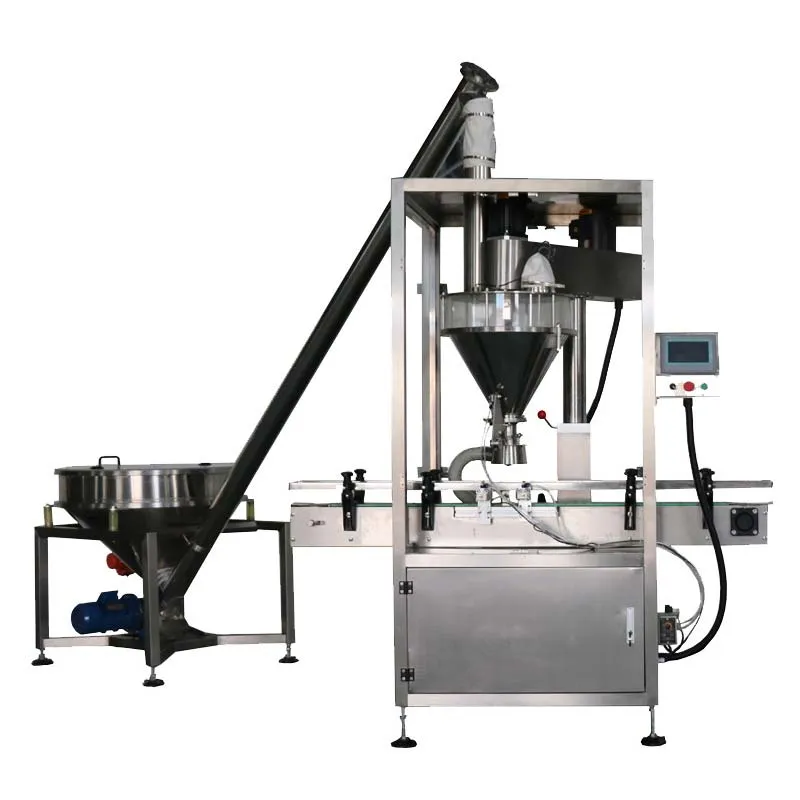
- Fine Powders (Spices, Flour, Milk Powder): Requires an Auger Filler to prevent airborne dust contamination and ensure tight thermal sealing.
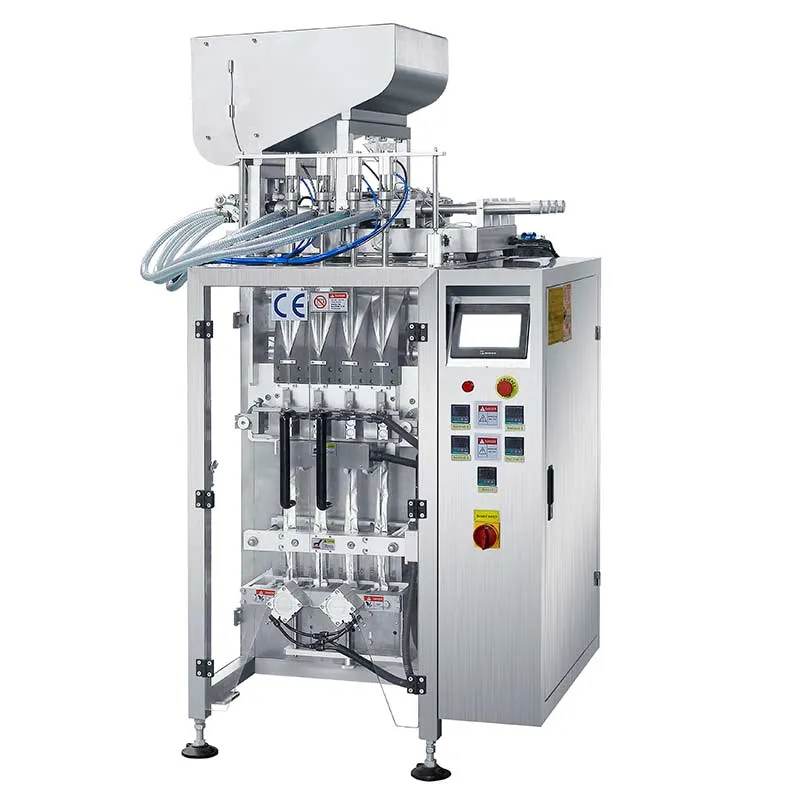
- Liquids & Pastes (Sauces, Oils): Needs a dedicated Piston Filler or Peristaltic Pump system with anti-drip nozzles.
2. Match Machine Speed (BPM) to Your Daily Target
Machine output is measured in Bags Per Minute (BPM). Calculate your required speed using this simple formula:
Target BPM = (Daily Required Production Units) ÷ (Operating Hours × 50 minutes)
*Note: Always calculate using 50 minutes per hour to account for roll changes and routine maintenance.
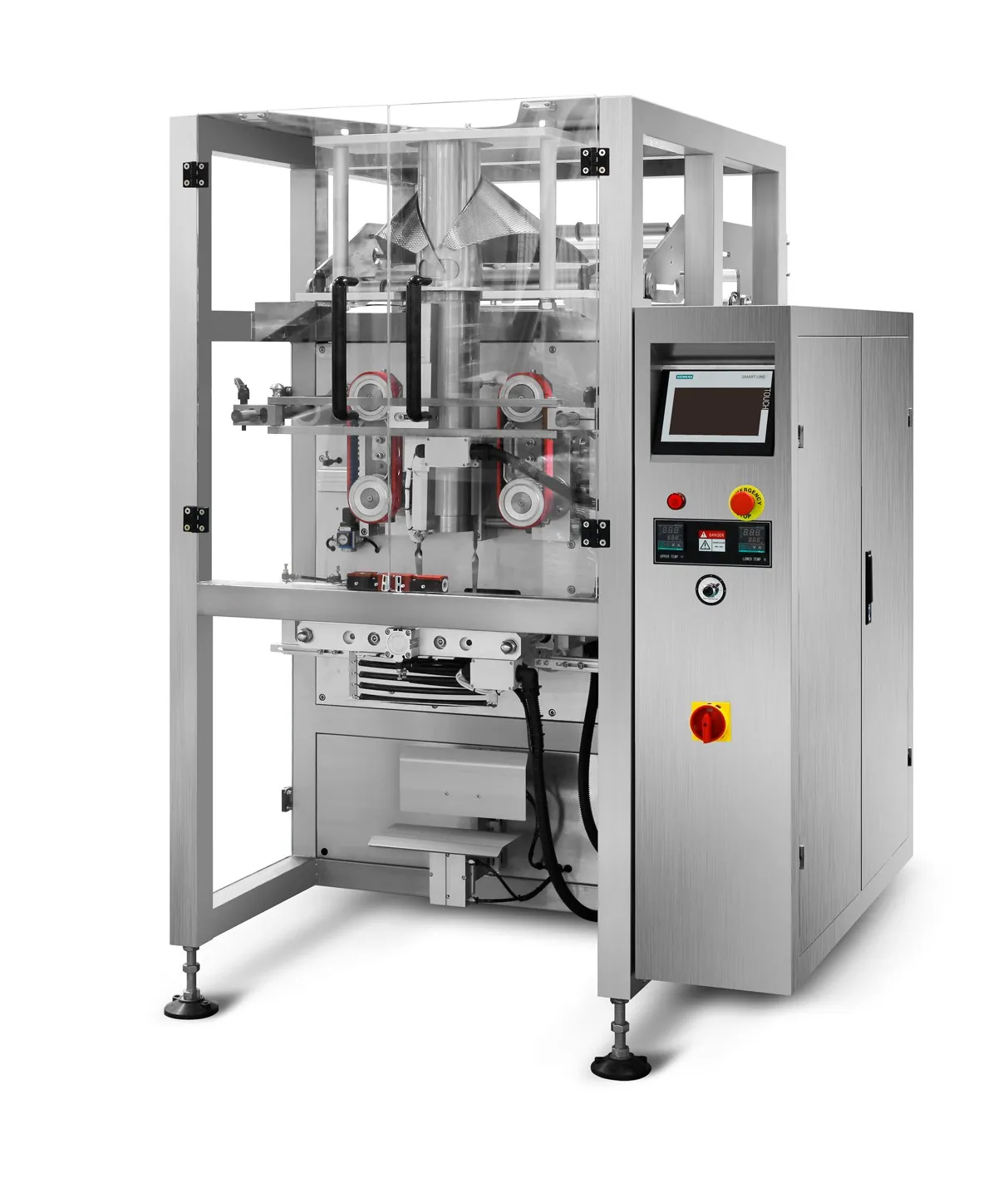
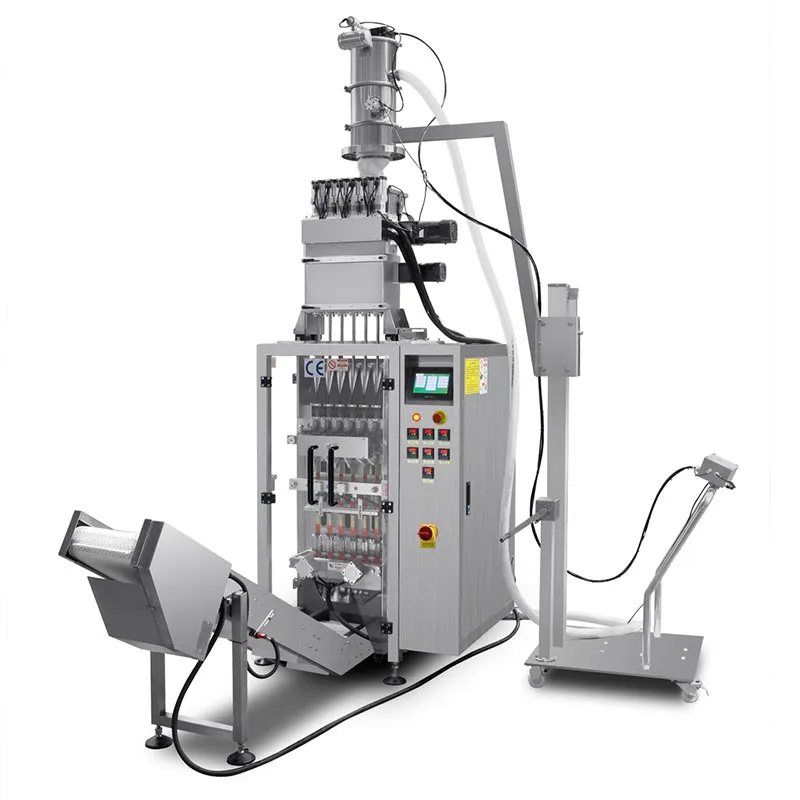
If you need 30,000 bags per 8-hour shift, your target speed is approximately 75 BPM, which requires a continuous-motion VFFS machine rather than an intermittent model.
3. Evaluate Film Material & Sealing Compatibility
In 2026, eco-conscious packaging regulations are strict across Europe and North America. Ensure your machinery can handle modern sustainable substrates:
- Laminated Films (BOPP/PE, PET/AL/PE): Standard constant-heat sealing jaws work perfectly.
- Recyclable Mono-Materials (100% PE or PP): Requires precise PID temperature controllers or impulse sealing technology to avoid melting the film.
- Paper-Based Barrier Films: Demands customized sealing tooth profiles and adjusted pressure dynamics.
4. Inspect Component Quality (The “Under the Hood” Test)
A low initial price tag often hides low-grade electrical components that fail within 6 months. Always demand component transparency from your supplier:
| Component Type | Standard / Generic Grade | Patan Packing Industrial Grade |
|---|---|---|
| PLC & HMI Controller | Unbranded / Obsolete Board | Siemens / Omron |
| Pneumatic Cylinders | Non-standard Local Brands | SMC / Festo / Airtac |
| Electrical Control | Basic Relay Setup | Schneider Electric |
5. Verify Factory Support & Spare Part Availability
Even the best machine requires wear-and-tear replacements. Before placing an order, confirm:
- Does the manufacturer provide English video troubleshooting and 24/7 technical assistance?
- Are wear parts (teflon tape, heating elements, cutting blades) standard sizes easily sourced locally?
- Can the manufacturer customize bag formers for your future size variations?
Conclusion: Get Your Production Line Engineered Right
Buying a food packaging system isn’t just about purchasing hardware—it’s about securing a reliable production partner. At Patan Packing, we offer custom layout designs, factory acceptance testing (FAT), and complete pre-shipment video verification.